If you are shopping for residential solar, the hardest part is not always deciding whether solar makes sense. It is figuring out which quote is actually better. Two proposals can look similar at first glance while using different equipment, financing structures, warranties, and assumptions about your home’s energy use.
A good solar quote should help you understand what you are buying, who is responsible for what, and how the system is expected to perform. Before you sign anything, compare proposals methodically so you are not relying on a single sales pitch or a glossy monthly payment number.
Start with the system basics
Every solar proposal should clearly identify the equipment being offered. If it does not, ask for a revised version in writing. You want enough detail to compare one quote to another without guessing.
Look for these core items:
- Panel brand and model, not just the word “premium” or “high efficiency.”
- Inverter type, such as string inverter, microinverters, or power optimizers.
- System size, usually listed in kilowatts, along with the expected annual production estimate.
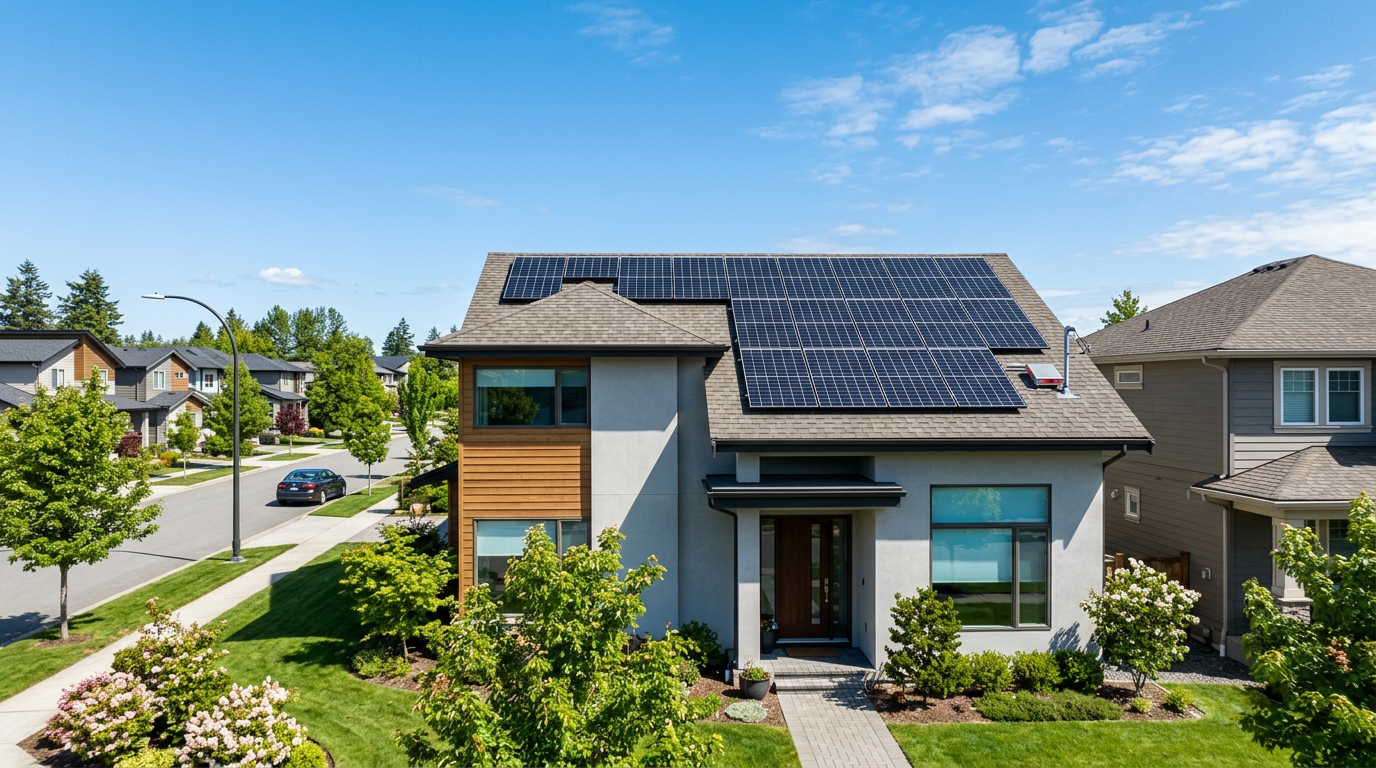
- Roof location and layout so you can see whether the design fits your home or depends on assumptions.
It is normal for two systems of the same size to perform differently depending on design and equipment. A smaller system with better production estimates may be more useful than a larger one with weaker components or a poor roof layout.
Compare assumptions, not just monthly payments
Many shoppers focus on the advertised monthly payment, but that number can be misleading if the proposal leaves out key details. A low payment may come with a longer term, a larger loan balance, or an assumption that your utility rates will rise faster than expected.
Ask the installer or lender to explain:
- Whether the price is cash, loan, or lease/PPA pricing
- Loan term and interest rate, including whether the rate is fixed or variable
- Any dealer fees or finance charges built into the quote
- Estimated monthly payment after incentives versus upfront project cost
- Assumed utility rate escalation used to estimate future savings
For a fair comparison, try to line up quotes using the same payment method. A cash price and a financed price are not directly comparable unless you understand how financing changes the total cost.
If a proposal seems too good to be true, check what assumptions make it look attractive. In solar, small changes in loan terms or production estimates can change the picture a lot.
Check warranties and who stands behind them
Solar equipment is often sold with multiple warranties, and they are not all the same. The panel manufacturer may offer one warranty, the inverter maker another, and the installer may provide separate workmanship coverage. A strong proposal should tell you which warranty applies to which part of the system.
Before moving forward, confirm:
- Equipment warranty length for panels, inverters, and batteries if included
- Workmanship warranty from the installer
- Performance guarantees, if any, and how they are measured
- Who handles service calls if something stops working
- Whether labor is included when a covered part needs replacement
Some warranties are easier to use than others. A long warranty is less helpful if getting service requires waiting weeks for a response or paying separate labor charges. Ask how claims are handled in practice, not just what the brochure says.
Look closely at roof, permitting, and utility details
A solar installation is more than panels on a roof. Good proposals should account for the work needed to make the system code-compliant and ready to operate. That includes permits, inspections, interconnection paperwork, and any roof-related issues the installer expects.
Pay attention to whether the quote includes:
- Permitting and inspection fees
- Utility interconnection support
- Roof work, if needed, such as repairs or a partial replacement
- Main panel upgrades or electrical work
- Monitoring equipment and app access
Roof condition is especially important. If your roof is nearing the end of its useful life, it may be worth addressing that before installation. Reinstalling a solar array later can be costly and inconvenient, so ask the installer how they evaluate roof age and condition.
Ask for a realistic production estimate
Production estimates should be specific and based on your home, not just a generic calculation. A reputable proposal usually shows estimated annual energy output and may explain the assumptions behind it, including roof orientation, shading, and local weather patterns.
Useful questions include:
- How was shading on my roof accounted for?
- Did you model seasonal production changes?
- What happens if actual output is lower than estimated?
- Is the estimate based on my current utility usage or an average?
Keep in mind that solar output can vary from year to year. A careful proposal should help you understand likely performance without promising a perfect result.
Create a simple side-by-side checklist
When you have more than one quote, it helps to put the details into a simple comparison chart. That makes it easier to spot differences that are easy to miss in separate sales materials.
- System size and equipment
- Total price and financing terms
- Warranty coverage
- Production estimate
- Permits, roof work, and electrical upgrades
- Installer reputation and service process
Also consider whether the company answers questions clearly. A quote can look competitive on paper, but if the installer is vague about timelines, service, or contract terms, that is worth noting. Responsiveness now can be a useful clue about what support may look like after installation.
Before you sign, compare more than price
The best solar decision usually comes from comparing the full package: equipment quality, design, warranties, financing, and service. Price matters, but it should not be the only factor, especially if the quotes use different assumptions or leave out important details.
Take your time, ask for written clarifications, and compare several options on the same terms. A careful review can help you choose a proposal that fits your home and your budget with fewer surprises later.
Free Tools & Calculators
Savings Growth Calculator
Project what regular deposits could grow to with compound interest.
Estimates only, for general information — not financial or medical advice.
Personal Loan Calculator
Estimate the monthly payment and interest on a personal loan.
Estimates only, for general information — not financial or medical advice.