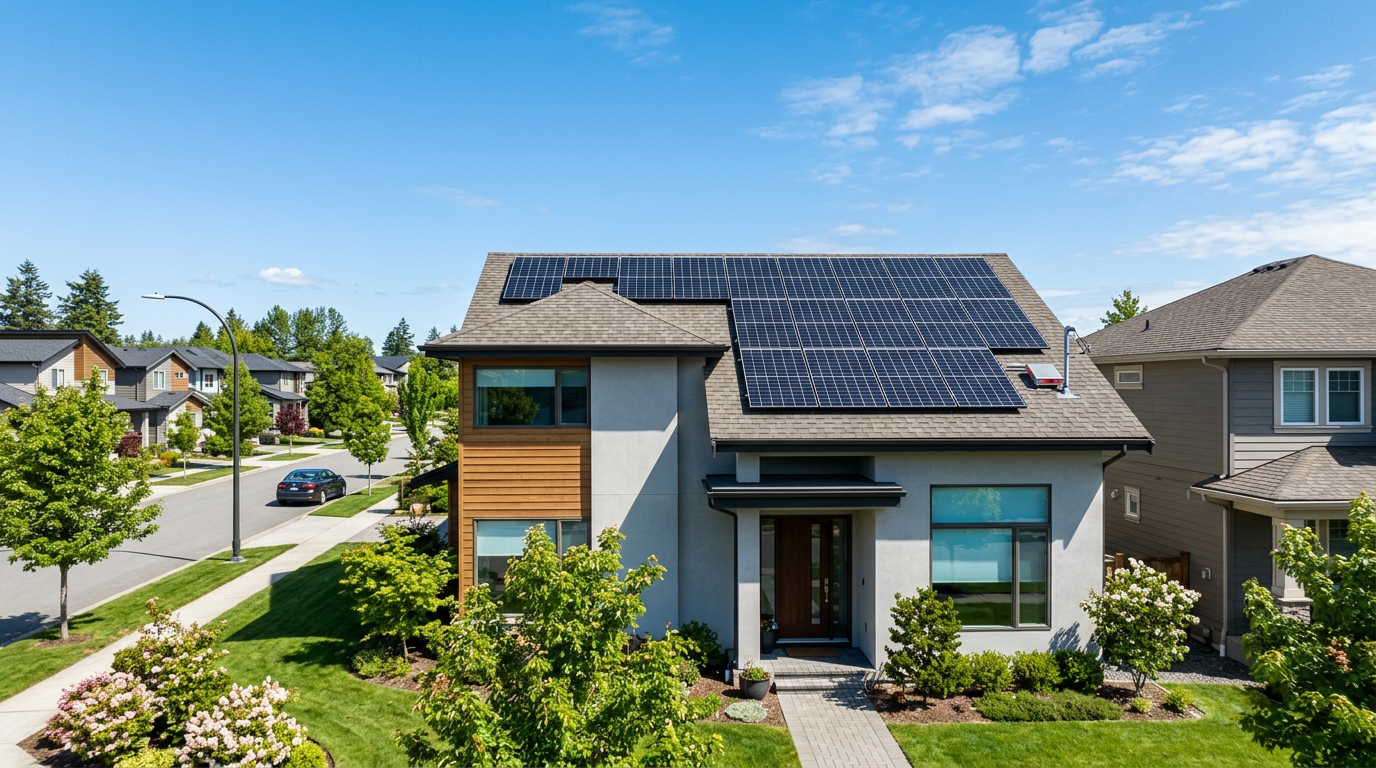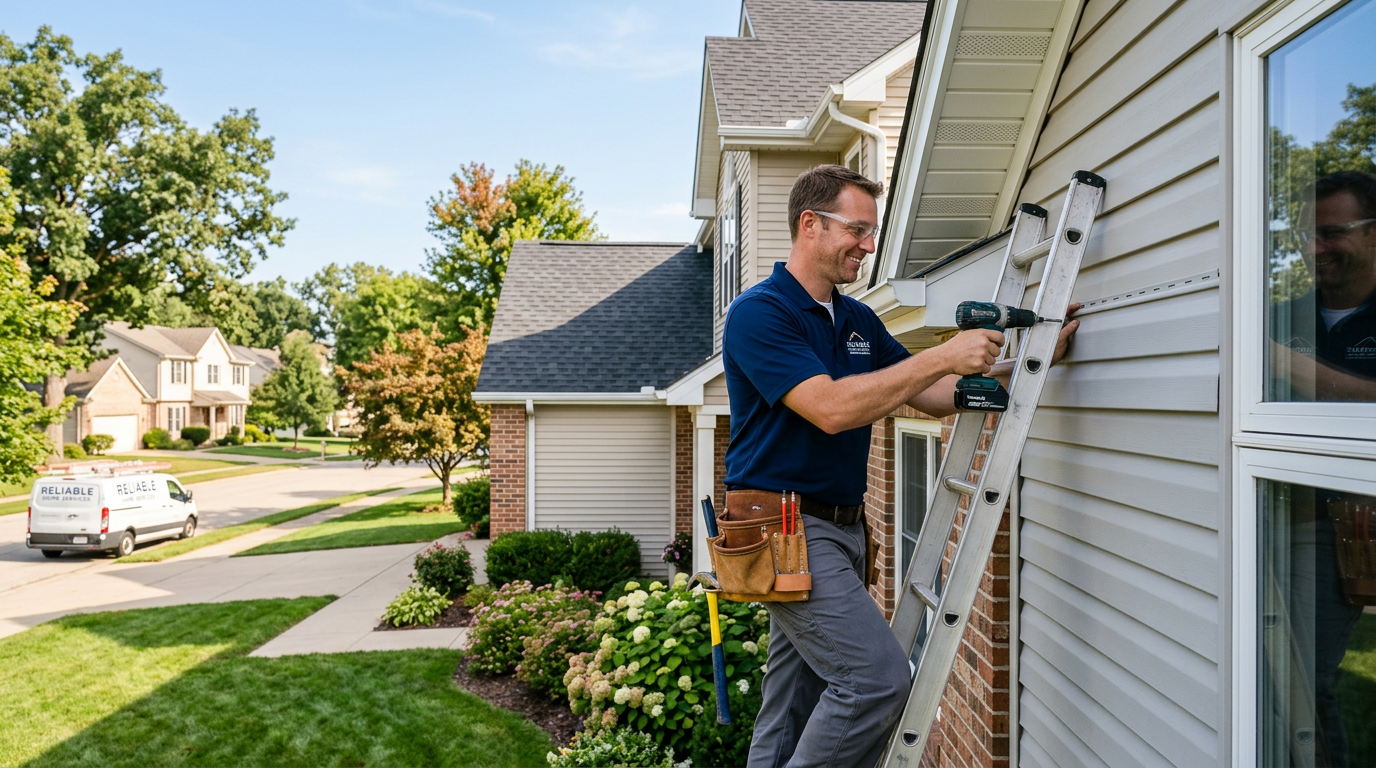
Comparing solar quotes can feel straightforward at first: one company gives you a price, another gives you a lower price, and a third promises better equipment. But solar proposals often package different assumptions, financing terms, and installation details, which can make the “cheapest” offer hard to judge. If you want a fair comparison, focus on what is included, what is excluded, and what happens after the system is turned on.
This guide is for homeowners who want to review solar bids with a clear checklist, not a sales pitch. The goal is to help you spot differences that matter before you sign a contract.
Start with the system design, not just the price
A useful solar quote should explain the system size in a way that makes sense for your home. That usually includes the number of panels, the total system capacity, the panel brand, the inverter type, and an estimate of expected annual production. If a quote skips those details, it is harder to compare one proposal with another.
Look closely at whether each company is designing for the same goals. One installer may size the system to cover most of your electricity use, while another may aim for a smaller setup that lowers the upfront cost. Neither approach is automatically better, but they are not the same offer.
Questions worth asking
- How many panels are included, and what brand/model are they?
- What inverter is being used, and is it string, microinverter, or hybrid?
- What production estimate is the company using?
- Does the quote assume shading, roof direction, or future electric vehicle charging?
Check what is included in the installation price
Solar quotes can look similar even when they leave out different pieces of the work. A quote that seems lower may not include electrical upgrades, roof repairs, permit fees, or monitoring equipment. Another company may bundle more of those items into the headline price.
Before comparing totals, ask each installer to separate the cost of equipment, labor, permitting, and any additional work. This makes it easier to see whether one quote is truly cheaper or just less complete.
Tip: Ask each company to list assumptions in writing. If a quote depends on a roof that needs no repair, an existing electrical panel that already meets code, or easy attic access, make sure that is stated clearly.
Common items that may or may not be included
- Roof repair or roof replacement
- Main panel or subpanel upgrades
- Trenching or conduit work
- Permit and inspection fees
- Monitoring hardware or app access
- Battery backup equipment
- Removal and reinstallation of the system for future roof work
Compare financing terms as carefully as the equipment
Many solar buyers focus on monthly payments and overlook the structure of the financing. That can make two quotes with the same monthly payment very different in actual cost and ownership terms. If one offer uses a loan, another uses a lease, and a third is a cash purchase, you are not looking at identical products.
For loans, review the interest rate, the term length, whether there are dealer fees, and whether the payment changes over time. For leases or power purchase agreements, understand who owns the equipment, whether payments can rise, and what happens if you sell the home. Ownership matters because it affects tax credits, warranty claims, and the ability to make future changes.
Financing details to line up side by side
- Purchase type: cash, loan, lease, or power purchase agreement.
- Interest rate or payment escalator: fixed or variable over time.
- Fees: origination, dealer, or transfer fees.
- Tax credit eligibility: who can claim it and under what circumstances.
- Early payoff terms: whether there are prepayment penalties.
Don’t ignore warranties and service commitments
Solar panels can last a long time, but warranties are not all the same. A strong quote should explain the product warranty on the equipment, the performance warranty from the panel manufacturer, and the workmanship warranty from the installer. These cover different problems, and one does not replace the others.
Also ask who handles service if something fails. Some installers manage repairs directly, while others route claims through the manufacturer. Response times, diagnostic fees, and service area limitations can vary. A quote that looks attractive may be less appealing if service is slow or hard to schedule.
Watch for these warranty basics
- Equipment warranty: protects against defects in panels, inverters, and related hardware.
- Workmanship warranty: covers installation errors.
- Performance warranty: addresses panel output over time.
- Transferability: important if you plan to sell your home.
Look beyond the proposal and ask for the contract
A proposal is often a sales document. The contract is where the real obligations live. Before you commit, read the fine print on deposits, cancellation rights, change orders, estimated timelines, and what happens if the utility interconnection takes longer than expected.
Pay attention to language about production guarantees. Some companies use estimates, while others may offer limited guarantees with conditions attached. A promise that sounds strong in a presentation may be much narrower in the contract. If anything is unclear, ask for a plain-language explanation before signing.
If you are comparing several companies, it can help to create a simple checklist with the same categories for each bid: equipment, installation scope, financing, warranties, and contract terms. That way, you are comparing like with like instead of a set of polished sales materials.
A practical way to narrow your choices
The best solar quote is not always the cheapest or the one with the highest advertised output. It is the one that matches your roof, your budget, and your comfort level with ownership and service. A reliable installer should be willing to explain assumptions, itemize costs, and answer questions without pressure.
As you compare options, ask for revised proposals if the details are not consistent. A clear, apples-to-apples quote is much easier to evaluate than a vague estimate. Once you have that, you can make a more confident decision about which solar offer fits your home best.
Free Tools & Calculators
Savings Growth Calculator
Project what regular deposits could grow to with compound interest.
Estimates only, for general information — not financial or medical advice.
Personal Loan Calculator
Estimate the monthly payment and interest on a personal loan.
Estimates only, for general information — not financial or medical advice.