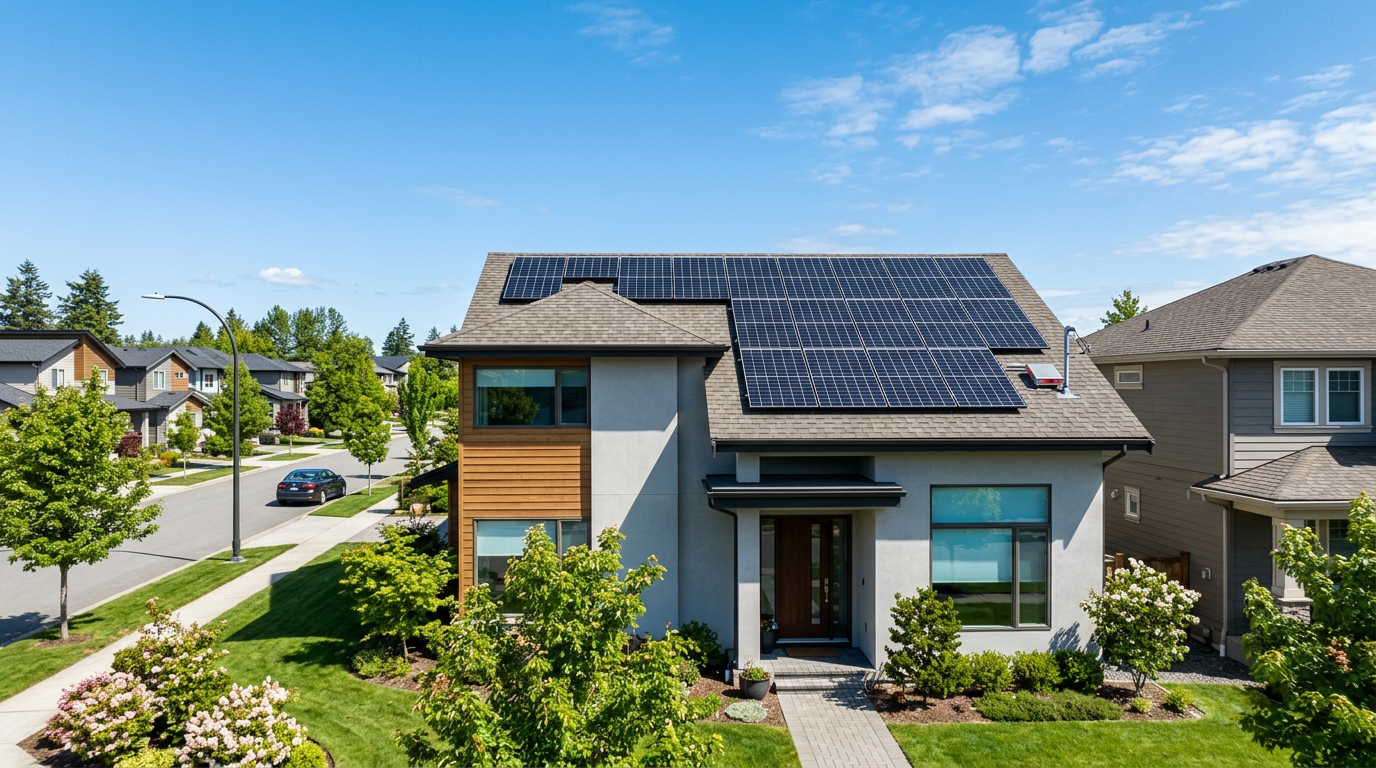
Before you start comparing solar quotes, it helps to answer a simpler question: is your roof actually a good fit for solar panels? A strong solar system depends on more than your utility bill. Roof age, shade, direction, layout, and condition can all affect whether solar makes sense now or whether you should address the roof first.
This matters because panels are typically installed for the long term. If a roof needs major work soon after installation, removing and reinstalling panels can add hassle and cost. The goal is not to talk you into or out of solar, but to help you evaluate your roof honestly so you can compare options with fewer surprises.
Start with the roof’s age and remaining life
The first thing to consider is how much life is left in your roof. Solar panels may last for decades, so it is worth asking whether your roof can realistically support that timeline.
If your roof is near the end of its useful life, many homeowners choose to replace it before installing solar. That does not mean solar is off the table; it just means the order matters. A newer roof can make the installation process smoother and reduce the chance that panels need to come off for repairs later.
Useful questions to ask yourself:
- When was the roof last replaced?
- Are there known leaks, soft spots, or missing shingles?
- Has a roofing contractor said the roof has only a few years left?
- Are there materials or design features that may complicate solar mounting?
If you are unsure, a roofing inspection can be a smart first step before getting solar proposals.
Check for shade throughout the day
Solar panels work best when they receive steady sunlight. That does not mean your roof must be perfectly unshaded, but the amount and timing of shade matter. A roof that looks sunny at noon may still lose a lot of production if trees, dormers, chimneys, or nearby buildings block light in the morning or late afternoon.
For a practical check, look at your roof at different times of day. Notice where shadows fall and how long they stay. Seasonal changes also matter, since trees that seem harmless in winter may cast much more shade in summer.
Tip: A solar installer can usually estimate how shade affects production using site assessments or design software, but it helps to spot obvious shade issues before you request quotes.
If your roof has heavy shade, that does not automatically rule out solar. It may simply mean the system needs a different layout, microinverters, or in some cases a ground-mounted setup instead of rooftop panels.
Know which roof direction and slope you have
In the US, roof orientation often gets a lot of attention, but it should not be treated as a yes-or-no test. South-facing roofs generally receive strong sun exposure, but east- and west-facing roofs can also work well depending on your energy usage and local conditions.
Roof pitch matters too. A steep roof is not necessarily a problem, but it may change how panels are installed and how much usable space you have. What you want is a section of roof that can hold panels safely, with enough area for a practical system size.
When reviewing roof orientation, think about:
- Which side of the roof gets the most direct sunlight
- Whether the best sections are large enough and unobstructed
- Whether different roof planes face different directions
- Whether your utility usage is highest in the morning, afternoon, or evening
A good installer should explain how your roof’s shape affects system design instead of pushing a one-size-fits-all answer.
Look at the roof structure and surface condition
Solar panels add weight, and while most modern roofs can support a properly designed system, the structure still needs to be assessed. If your roof has sagging areas, water damage, or signs of past repairs, it deserves a closer look before installation.
Surface condition matters as well. A roof with brittle shingles, worn flashing, or recurring leaks may not be a good candidate until those issues are addressed. Solar should not cover up an existing roofing problem, because once panels are in place, routine roof work can become more complicated.
Homeowners often benefit from a two-part check:
- A roofing inspection to confirm the roof is sound
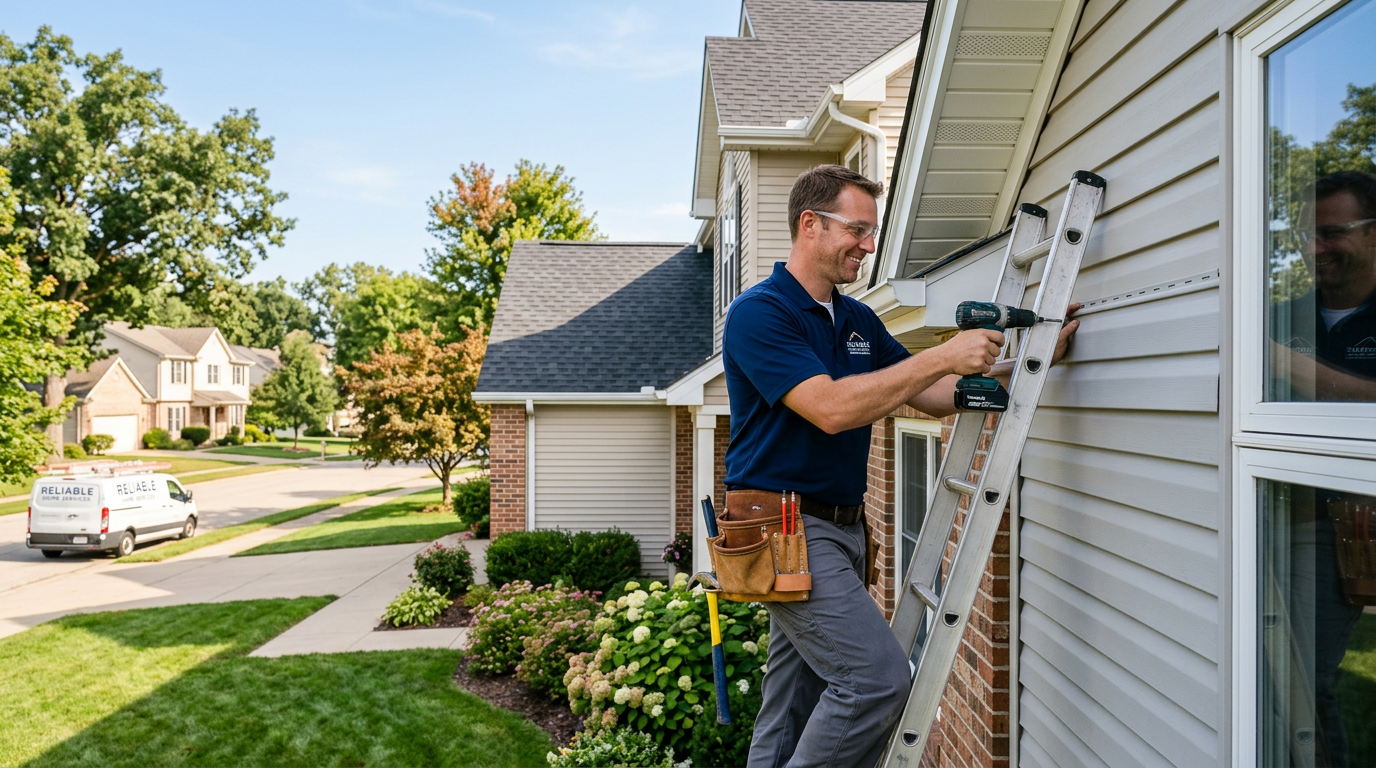
- A solar site visit to confirm the roof can support panel placement
Ask whether the installer coordinates with a roofer when structural questions come up. That can save time and help you avoid conflicting advice.
Think about roof space, vents, and future projects
Even if your roof is in good shape, not every section is useful for solar. Vents, skylights, chimneys, and architectural features can reduce the amount of open area available for panels. You also want to think ahead. If you expect to add a dormer, replace a skylight, or change the roofline later, those plans may affect where panels should go.
It helps to ask a few planning questions:
- Is there enough uninterrupted space for the number of panels you want?
- Will the system interfere with attic ventilation or roof access?
- Could future roof work require panel removal?
- Would a smaller system still make sense if some roof space is unusable?
This is where a careful site assessment adds value. A good layout should fit your roof, not fight it.
Compare quotes only after your roof is evaluated
Once you know your roof’s condition, shade, and layout, you can compare solar proposals more meaningfully. Two quotes may look similar on paper but differ in important ways: equipment choice, warranty terms, mounting approach, and whether the installer has accounted for roof-specific challenges.
Before you choose, compare whether each proposal addresses:
- Roof age and replacement timing
- Shade conditions and design adjustments
- Structural concerns or roofing repairs
- Permitting and installer responsibilities
- Warranty coverage for both panels and workmanship
That context makes it easier to tell whether a quote is thorough or just generic.
Bottom line
A roof does not need to be perfect to be solar-friendly, but it should be in solid condition and suitable for the system layout you want. By checking age, shade, direction, structure, and available space first, you can have better conversations with installers and avoid comparing quotes that do not really fit your home.
If you are unsure where your roof stands, start with a roofing inspection and then compare solar options from companies that will explain how they would design around your specific roof.
Free Tools & Calculators
Savings Growth Calculator
Project what regular deposits could grow to with compound interest.
Estimates only, for general information — not financial or medical advice.
Personal Loan Calculator
Estimate the monthly payment and interest on a personal loan.
Estimates only, for general information — not financial or medical advice.