If you’re considering home solar, one of the most common questions is whether to start with panels or add a battery first. The answer depends less on what is “better” in general and more on what problem you want to solve: lowering monthly electric use, getting backup power during outages, or making the most of rooftop solar production. For many homeowners, panels come first because they generate electricity. For others, a battery is the more urgent upgrade because it can keep essentials running when the grid goes down.
Before you compare quotes, it helps to understand what each piece does, what it does not do, and how the two work together. That way, you can focus on the setup that matches your home, budget, and utility rules.
What solar panels do, and why they’re often the first step
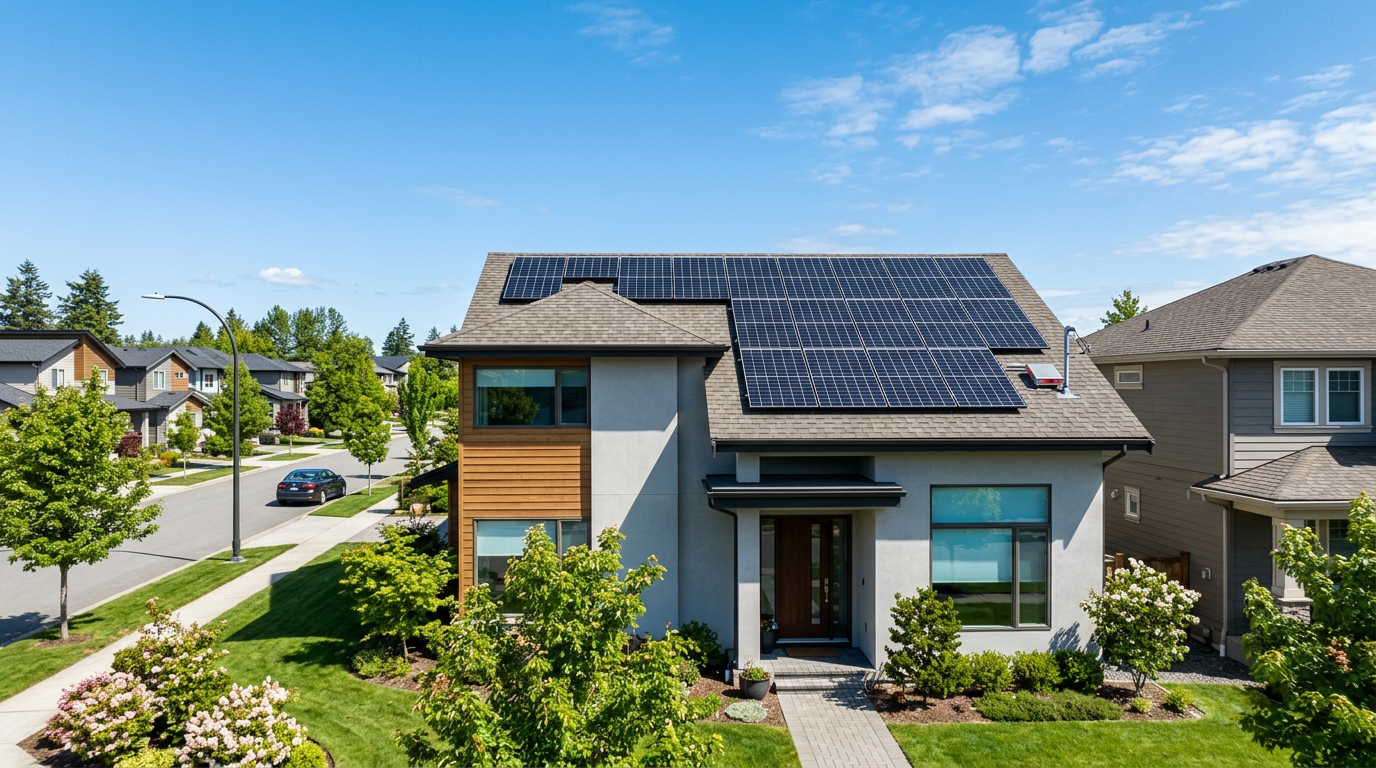
Solar panels convert sunlight into electricity for your home. If your system produces more power than your home is using at that moment, the extra electricity may go to the grid depending on your utility arrangement. In practical terms, panels are the foundation of a solar setup because they create the energy in the first place.
Panels are usually the first upgrade to consider if your main goal is reducing your reliance on utility power during daytime hours. They can offset a portion of your usage, but the exact impact depends on how much electricity your home uses, how much roof space you have, and how much sun your property receives. A knowledgeable installer should help estimate whether your roof can support a system sized for your needs.
Panels may be a better first buy if:
- You want to start generating your own power right away.
- Your utility offers favorable credit for exported solar electricity.
- You’re mainly trying to reduce daytime electric use.
- You want a simpler system with fewer components.
What a solar battery adds
A solar battery stores electricity for later use. That means you can save some of the energy your panels produce and use it at night or during an outage. But a battery does not create electricity on its own. Without panels or another charging source, it is just storage.
For households concerned about outages, a battery can be an important resilience upgrade. It may be especially useful if you have medical devices, remote work needs, frequent grid interruptions, or a plan to keep a few essential circuits running. That said, battery systems are not all the same. Some back up only selected loads, while others can support more of the home if paired with the right equipment.
It’s also worth noting that battery economics are not as straightforward as panel economics. Because batteries are about storage and backup as much as bill reduction, the value they provide can be more personal than financial. For some families, that peace of mind matters more than maximizing energy offset.
How to decide which one comes first
The best order usually comes down to your top priority. If your goal is bill reduction through solar generation, panels generally make sense first. If your top priority is backup power, a battery may move higher on the list. And if you want both, it may be worth planning the system as a package even if you install it in phases.
Ask yourself these questions before you choose:
- Do I want to reduce my electric bill, or protect against outages? If lowering usage is the main target, panels are usually the starting point.
- How often do I lose power? In areas with frequent outages, backup capability may be worth prioritizing.
- What does my utility’s rate structure look like? Time-of-use pricing, low export credits, or changes to net metering can affect the value of panels and batteries.
- Can my roof support the size of system I need? Limited roof space can influence whether you prioritize panels, storage, or both.
- Do I need whole-home backup or just essentials? This affects battery size, equipment, and cost.
When a battery-first approach can make sense
Although panels are often the starting point, there are cases where a battery comes first or is paired quickly with solar. For example, if your utility charges more during peak evening hours and offers limited credit for exported solar power, storing your own energy may be more valuable than sending it back to the grid. A battery can also be attractive if you already have another charging source, such as an existing solar system that you want to make more useful after sunset.
Another scenario is a home where outage protection is the primary concern. In that case, adding storage may be a more direct way to solve the problem than adding more generation alone. Still, most batteries are most effective as part of a broader solar plan, not as a standalone purchase.
Think in terms of the job you want the system to do: generate power, store power, or do both. That simple distinction can keep you from overbuying one piece and underbuying the other.
What to ask installers before you compare quotes
Whether you start with panels, a battery, or both, comparison shopping matters. The right quote should explain not just equipment brands, but how the system will work on your home under your local utility rules.
- Will this system be sized for my current usage or future needs?
- How much of my home can the battery back up during an outage?
- What happens if my utility changes its net metering or export policy?
- Can the system be expanded later if I start with panels only?
- Which parts of the proposal are equipment, labor, permits, and interconnection?
It’s also smart to ask whether the installation is designed to work well in phases. Some homeowners install panels first and add a battery later. Others choose a battery-ready setup from the beginning so they do not have to redo major equipment later.
The bottom line
There is no one-size-fits-all answer to the panels-vs.-battery question. Panels usually make sense first if your goal is to produce electricity and reduce grid dependence during the day. A battery becomes more compelling when outage protection, evening usage, or utility rate timing is the bigger concern. The best choice often depends on the details of your home, your local utility, and how you plan to use the system over time.
If you’re not sure where to begin, compare both options side by side and look closely at how each installer explains performance, backup coverage, and expandability. That will tell you far more than a headline claim ever could.
Free Tools & Calculators
Savings Growth Calculator
Project what regular deposits could grow to with compound interest.
Estimates only, for general information — not financial or medical advice.
Personal Loan Calculator
Estimate the monthly payment and interest on a personal loan.
Estimates only, for general information — not financial or medical advice.