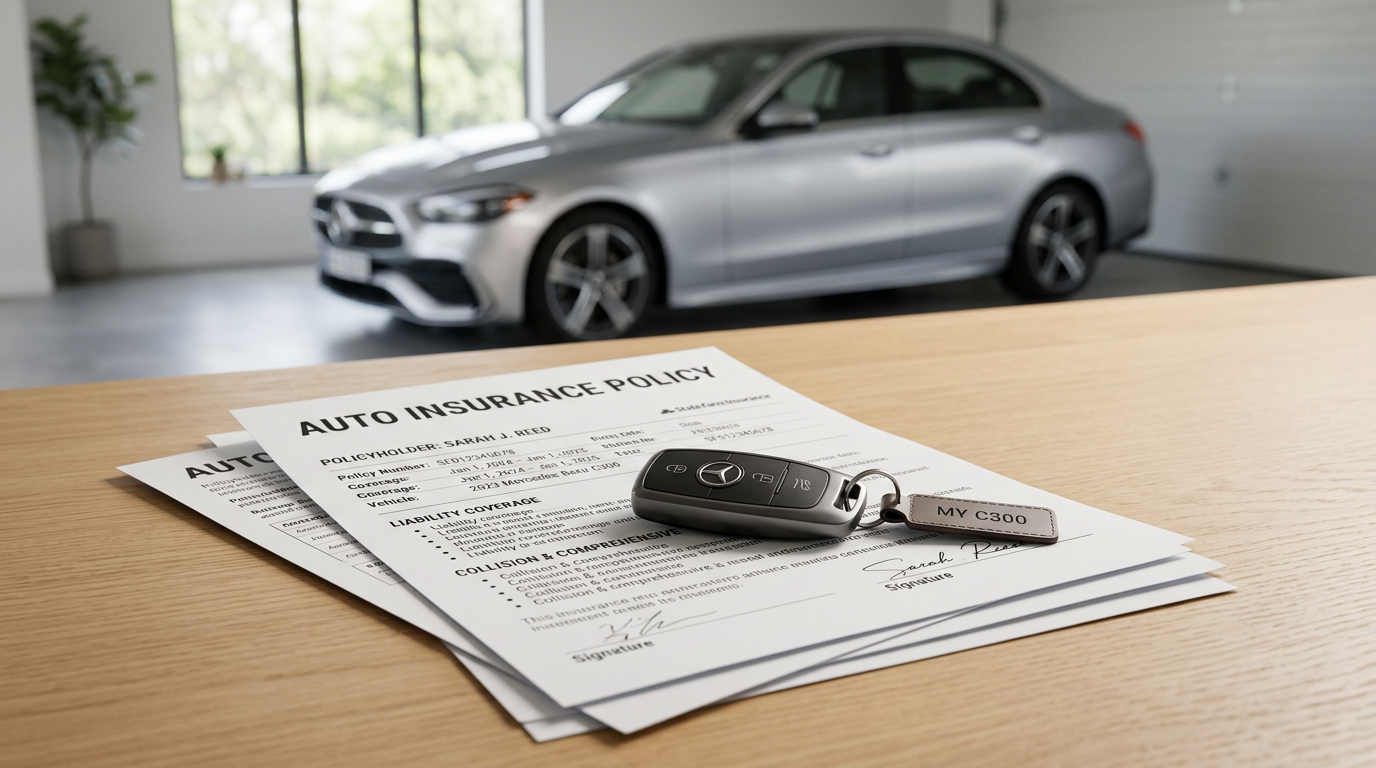
One of the most practical auto insurance decisions is also one of the easiest to overlook: choosing your deductible. The deductible is the amount you pay out of pocket on a covered claim before your insurer pays the rest. It usually applies to collision and comprehensive coverage, and the choice you make can shape both your monthly bill and your comfort level after an accident or loss.
If you have ever wondered whether a higher deductible is “worth it,” the real answer depends on your budget, your driving habits, your car’s value, and how much cash you could realistically come up with after a claim. Here’s how to think it through without getting lost in insurance jargon.
What an auto insurance deductible actually does
A deductible is your share of a covered loss. If your car is damaged in a covered event and the repair estimate is more than your deductible, your insurer typically pays the covered amount above that threshold. If the repair cost is lower than your deductible, you may pay the full bill yourself.
Deductibles generally do not apply to liability coverage in the same way, because liability pays for damage or injuries you cause to others. Instead, deductibles most often come into play with:
- Collision coverage, which helps pay for damage to your car from a crash.
- Comprehensive coverage, which helps pay for non-collision losses such as theft, fire, hail, vandalism, or hitting an animal.
Some policies let you choose different deductibles for collision and comprehensive coverage. That means you can tailor each one separately rather than treating them as a single decision.
How deductible choices affect your day-to-day budget
The most important tradeoff is simple: higher deductible, lower premium in many cases; lower deductible, higher premium in many cases. But that rule only helps if you can actually afford the out-of-pocket cost when something happens.
A deductible should fit your emergency savings, not just your monthly budget. If paying the deductible would force you to use a credit card, delay repairs, or strain other bills, a lower deductible may be the more practical choice. On the other hand, if you have savings set aside and prefer a lower recurring premium, a higher deductible may be reasonable.
Think of it this way: you are deciding whether to pay more gradually or less up front in exchange for taking on more risk later. Neither option is automatically better.
Questions to ask yourself before choosing
- Could I pay this deductible tomorrow if I had to?
- Would I file a claim for a smaller repair, or would I pay out of pocket?
- Do I drive a newer vehicle that is expensive to repair?
- How often do I park on the street, drive in heavy traffic, or face weather-related damage?
- Would a claim likely be large enough to matter after the deductible is applied?
When a higher deductible may make sense
A higher deductible can be a practical option for drivers who want to manage monthly costs and have enough cash on hand to handle a claim. It may also fit someone who rarely files claims and is comfortable self-insuring a larger slice of the risk.
This approach can be especially sensible if:
- Your car is older and a small claim might not be worth filing.
- You have a solid emergency fund reserved for unexpected expenses.
- You are more concerned about major losses than minor repairs.
- You want to reduce the chance of using insurance for every scrape or dent.
Still, a higher deductible is only helpful if it does not become a problem during a stressful moment. A deductible that feels manageable in theory may feel very different after an accident, a storm, or a theft claim.
When a lower deductible may be the better fit
A lower deductible can bring peace of mind if you want less financial exposure after a claim. For drivers with limited savings, a lower deductible may reduce the chance of a repair becoming a budget emergency.
It may also make sense if you drive a newer vehicle, keep full coverage for peace of mind, or know that you would rather pay a bit more each month than face a larger bill later. For some households, the predictability is worth more than the premium savings tied to a higher deductible.
The best deductible is not the one that sounds lowest or highest on paper. It is the one you could actually handle on a difficult day.
Other factors that should influence your choice
Deductibles are not chosen in a vacuum. A few practical details can change what makes sense for you.
- Your car’s value: If the vehicle is older, you may want to avoid paying a premium for coverage that would not be very useful after a claim.
- Repair costs in your area: Labor and parts prices can affect whether a claim is likely to exceed your deductible.
- Your lender or lease terms: If you finance or lease, the company may require certain coverage levels or deductible limits.
- Your claims history: A record of frequent claims can make it even more important to choose a deductible you can live with.
- State and policy details: Coverage options and rules can vary, so read the policy closely before you change anything.
It is also worth separating collision and comprehensive deductibles in your mind. Some drivers choose a lower comprehensive deductible because weather and glass-related claims are more likely in their area, while keeping collision higher to manage cost. The best mix depends on the risks you actually face.
How to compare deductible options before you buy
When you shop, ask insurers for quotes with at least two or three deductible levels so you can see how the premium changes. The goal is not simply to find the cheapest monthly bill; it is to find a policy that balances price and protection in a way that matches your life.
- Choose a deductible amount you could pay without borrowing money.
- Request quotes at several deductible levels.
- Compare the premium difference against the extra risk you would take on.
- Review collision and comprehensive separately if your policy allows it.
- Revisit the choice after major life changes, such as buying a different car or building savings.
If you are not sure where to start, a middle-ground deductible is often a reasonable benchmark while you compare policies. From there, you can move up or down based on your savings, your car, and your comfort with risk.
The bottom line
Choosing an auto insurance deductible is really about matching your coverage to your finances. A higher deductible may make sense if you have room in your budget for a larger out-of-pocket expense. A lower deductible may be better if you want more predictability and less financial stress after a claim.
Before you decide, compare quotes with different deductible levels and look closely at how each one changes your total cost and your risk. That way, you are not just buying a policy — you are choosing one that fits how you actually drive and save.
Free Tools & Calculators
50 / 30 / 20 Budget Calculator
Split your take-home pay into needs, wants, and savings — the classic rule.
Estimates only, for general information — not financial or medical advice.
Auto Loan Calculator
Estimate the monthly payment and interest on a car loan.
Estimates only, for general information — not financial or medical advice.