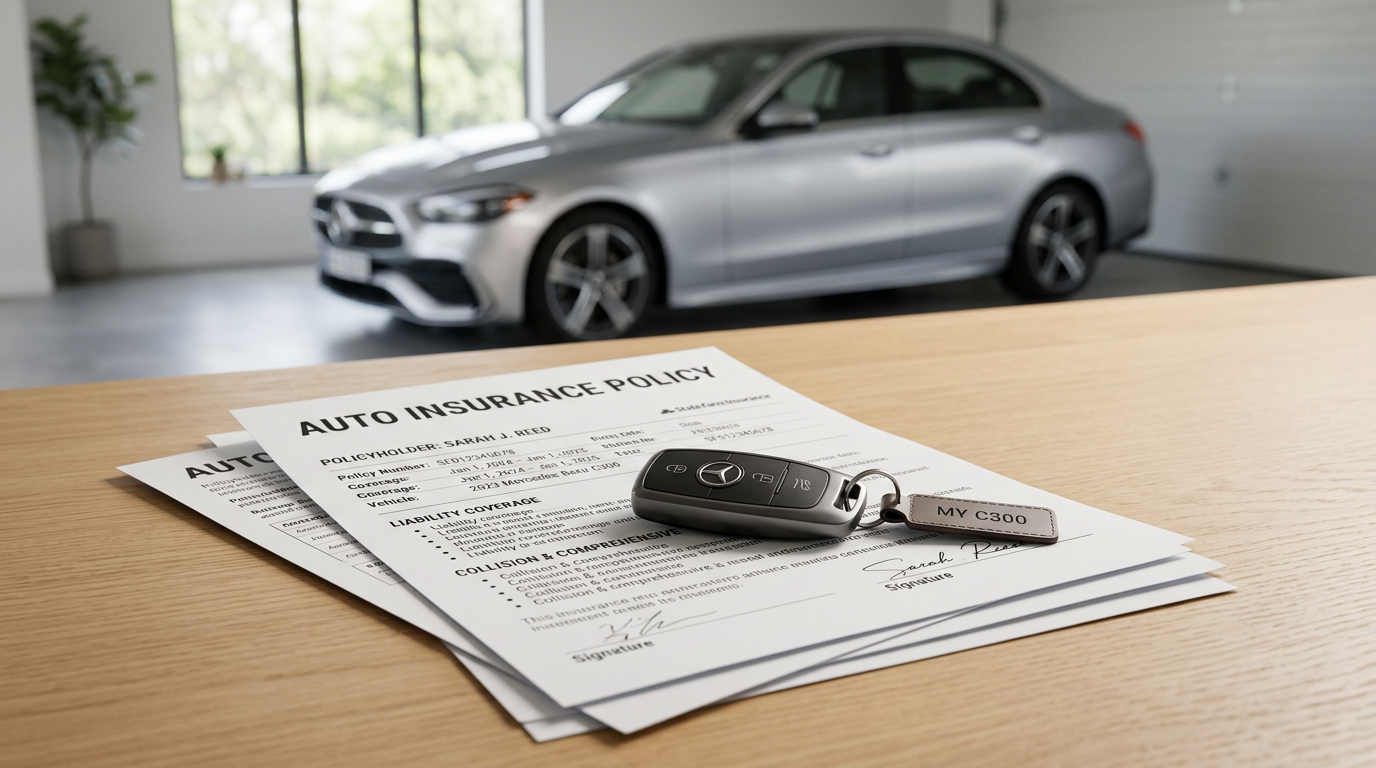
When you shop for auto insurance, the cheapest quote is not always the best value. Two policies can look similar at first glance but differ in coverage limits, deductibles, exclusions, and fees that affect what you actually pay if you file a claim.
If you are comparing quotes, the goal is not just to find a lower premium. It is to understand what each insurer is offering so you can judge whether the price matches the protection.
Start by matching the coverage types
Before comparing prices, make sure each quote includes the same basic coverages. Otherwise, you may be comparing apples to oranges.
- Liability coverage pays for injuries and property damage you cause to others.
- Collision coverage helps repair or replace your car after a crash.
- Comprehensive coverage applies to non-crash damage such as theft, vandalism, fire, or weather.
- Medical payments or personal injury protection can help cover medical costs, depending on your state.
- Uninsured and underinsured motorist coverage may protect you if the other driver has little or no insurance.
Some online quote tools default to minimum recommended coverage, while others may preselect broader protection. Review every line so you know what is included and what is not.
Compare deductibles and limits, not just premiums
A lower premium often comes with a higher deductible or lower coverage limits. That can be fine if it fits your budget, but it should be a deliberate choice.
Deductibles
Your deductible is the amount you pay out of pocket before certain coverages apply, usually collision and comprehensive. A higher deductible can reduce your premium, but it also raises your cost if you need a claim.
Coverage limits
Coverage limits set the most the insurer will pay for a covered loss. Higher limits can offer better financial protection, especially if you have assets to protect or regularly drive in busy areas. Lower limits may save money upfront but leave you more exposed after a serious accident.
A quote that looks inexpensive may be less generous in ways that matter. Always compare the policy details side by side, not just the monthly bill.
Look for fees, discounts, and policy details that change the real price
Auto insurance quotes can differ because of more than coverage. Review the fine print for charges and conditions that may affect your total cost.
- Installment fees if you do not pay in full
- Policy fees or service charges
- Cancellation terms if you switch midterm
- Discount rules tied to safe driving, bundling, telematics, good grades, or other factors
- Payment plan details that can make the quoted price look lower than the total term cost
Also ask how discounts are applied. A company may advertise several discounts, but not every driver will qualify for all of them. If one quote assumes a discount you cannot actually use, it may not be comparable to another offer.
Check how the insurer handles claims and customer service
The cheapest policy can become expensive in time and frustration if the claims process is difficult. While you may not need to file a claim often, it is important to know what happens if you do.
Look for practical signs of service quality:
- How easy it is to file a claim online or by phone
- Whether the company offers mobile tools for claims and policy changes
- Availability of local agents or 24/7 support
- Policy documents that clearly explain coverage and exclusions
- How the insurer responds to questions before you buy
Reading customer reviews can help, but treat them as one input rather than the full picture. A few complaints do not tell the whole story, yet repeated concerns about billing, delays, or poor communication may be worth noting.
Use a simple checklist before you choose
When you have a few quotes in hand, compare them using the same checklist each time. That makes it easier to spot trade-offs.
- Are the coverage types the same?
- Do the liability limits match, or is one policy more protective?
- What are the deductibles for collision and comprehensive?
- Are there fees or payment plan charges?
- Which discounts are actually confirmed for your situation?
- What do the policy exclusions say?
- How accessible is the insurer if you need help later?
If two quotes are very close, small differences in deductible, service, or claim handling may matter more than a modest price gap.
Bottom line: compare the full policy, then compare the price
A smart auto insurance comparison starts with coverage, then moves to cost. That approach helps you avoid choosing a policy that is cheaper on paper but thinner where it counts.
Take a few minutes to line up the details, ask questions, and read the declarations page carefully. When you compare more than the premium, you are more likely to find coverage that fits both your budget and your comfort level. If you are shopping now, compare a few options side by side before you decide.