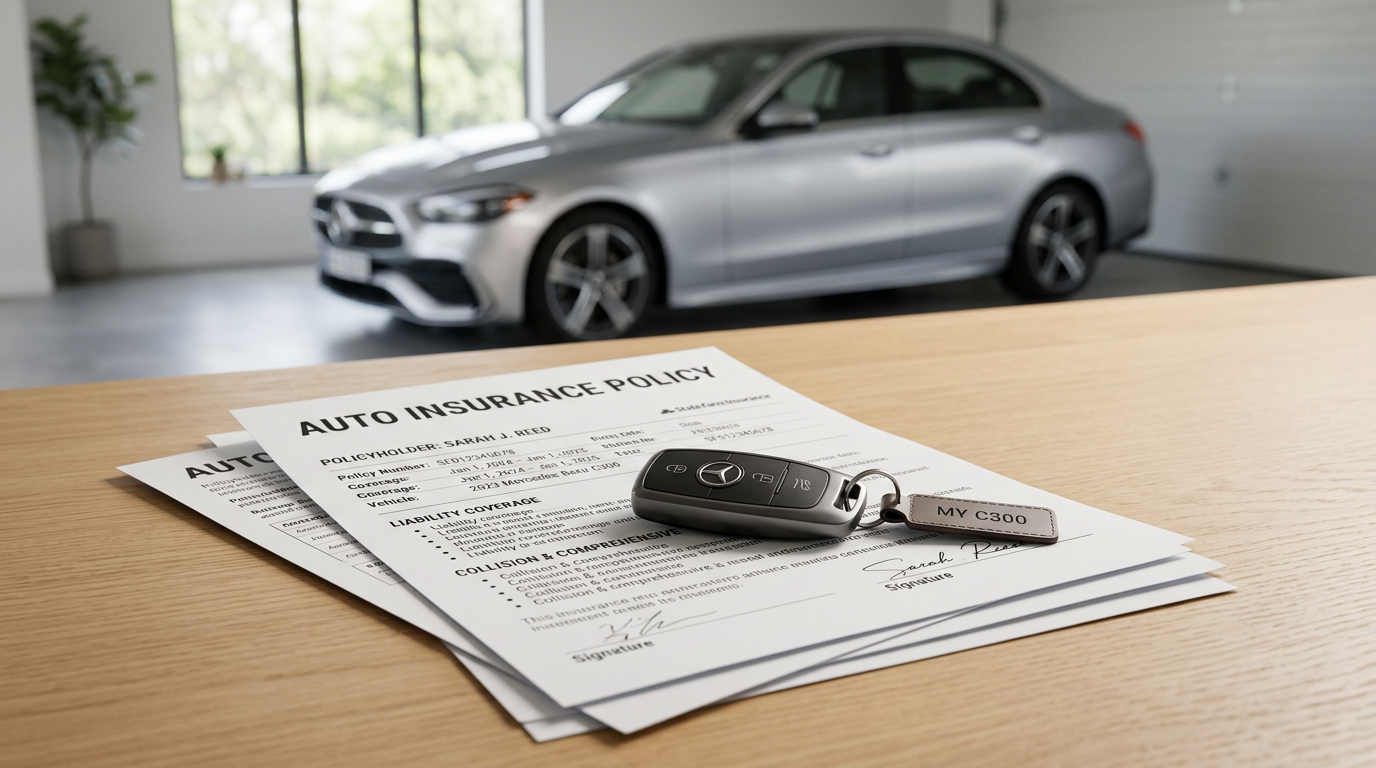
Comparing auto insurance quotes is not just about finding the lowest price. Two policies can look similar at a glance and still offer very different protection, which is why it helps to compare more than the premium. If you are shopping for car insurance, the goal is to find a policy that fits your driving habits, your budget, and the level of financial protection you want if something goes wrong.
Start by matching the coverage, not just the price
The most common mistake shoppers make is comparing quotes that do not include the same coverage types or limits. One company may quote a lower premium because it offers lower liability limits, a higher deductible, or fewer optional coverages. That can make the price look attractive while reducing the actual protection.
Before you compare numbers, make sure each quote includes the same basic building blocks:
- Liability coverage for bodily injury and property damage
- Collision coverage if you want protection for your own car after a crash
- Comprehensive coverage for theft, weather, fire, and other non-collision losses
- Uninsured/underinsured motorist coverage where available or required
- Medical payments or personal injury protection, depending on your state
If one quote is cheaper, ask whether it is because the policy is thinner. A fair comparison starts with the same coverage level across every insurer.
Pay attention to deductibles and how they change the premium
Your deductible is what you pay out of pocket before certain coverages kick in. In general, a higher deductible can lower your premium, while a lower deductible usually raises it. That tradeoff matters because the cheapest monthly payment may leave you with a bigger bill after an accident.
When comparing quotes, ask yourself what deductible you could realistically afford if you had to file a claim tomorrow. A policy with a very low premium but a high deductible may not be a good fit if your savings are limited. On the other hand, if you rarely drive and can handle more out-of-pocket risk, a higher deductible may make sense.
Do not compare deductible amounts in isolation. The right choice is the one you could actually pay comfortably if you needed repairs.
Look closely at discounts and how they are applied
Insurers often advertise discounts for safe driving, bundling, paperless billing, paid-in-full plans, good grades, anti-theft devices, and more. These can matter, but they are only useful if you qualify and the discount is applied to the same part of the policy across providers.
When a quote looks especially low, it is worth checking whether it assumes a discount you may not keep, such as a short-term promotional rate or a telematics program that tracks driving behavior. Also consider whether the discount is offset by fees or a higher base premium.
Useful questions to ask about discounts
- Is this discount already included in the quote?
- Does it require enrollment in a usage-based program?
- Will the discount continue at renewal?
- Does bundling with home or renters insurance change the total cost?
- Are there any fees that reduce the benefit of the discount?
A real comparison should separate temporary incentives from ongoing savings.
Review exclusions, limits, and policy details
Even if two quotes have the same coverages, the policies may still differ in important ways. Some companies use broader or narrower language in their policy forms, and some coverages come with limits that are easy to overlook. For example, roadside assistance, rental reimbursement, glass coverage, and custom equipment protection may have caps or conditions that affect how useful they are in a claim.
You do not need to memorize insurance law to shop wisely. You do need to skim the declarations page and the policy summary for details such as:
- Coverage limits and whether they are per person, per accident, or per claim
- Rental car reimbursement limits and daily maximums
- Roadside assistance service limits
- Gap coverage availability for financed vehicles
- Usage restrictions, such as business driving or rideshare use
If you use your car for work, commute long distances, or share driving with a household member, those details matter. A quote that seems simple could leave out a situation that applies to you.
Check the insurer’s service and claims process
Price matters, but so does how the company handles claims, billing, and customer support. A low quote may not feel like a bargain if the insurer is difficult to reach, slow to process paperwork, or unclear about the claims steps.
When comparing carriers, look for practical service factors rather than marketing language. It can help to consider:
- How to file a claim online, by phone, or through an app
- Availability of support if you need help outside business hours
- Repair network options and whether you can choose your own shop
- Billing flexibility for monthly, semiannual, or pay-in-full plans
- Policy changes such as adding a driver or vehicle mid-term
Online reviews can be useful, but they are only one input. A better approach is to think about what kind of service you personally need if something goes wrong.
Use a simple comparison checklist before you buy
Once you have several quotes, compare them side by side instead of switching between websites or emails. That makes differences easier to spot and helps you avoid overlooking an important detail.
- Confirm that liability, collision, and comprehensive limits match across quotes.
- Compare deductibles for each coverage.
- Review discounts and make sure they are realistic for your situation.
- Check policy details for exclusions, add-ons, and usage restrictions.
- Consider customer service, claims access, and payment options.
- Revisit the total cost, including fees, not just the monthly premium.
If you are renewing an existing policy, ask your current insurer for a revised quote before you assume another company is cheaper. Loyalty does not always mean the best price, but it can provide a useful baseline for comparison.
Make the final choice with your real needs in mind
The best auto insurance quote is the one that balances price, coverage, and convenience for your situation. A low premium can be appealing, but it is only one part of the decision. If you compare the full policy, not just the headline number, you are more likely to choose coverage that works when you need it.
Take a few minutes to line up quotes with the same limits, deductibles, and add-ons, then compare the fine print. The extra review can make the difference between a policy that merely looks affordable and one that truly fits your budget and driving habits. When you are ready, compare a few options side by side and see which quote gives you the best overall value.
Free Tools & Calculators
50 / 30 / 20 Budget Calculator
Split your take-home pay into needs, wants, and savings — the classic rule.
Estimates only, for general information — not financial or medical advice.
Auto Loan Calculator
Estimate the monthly payment and interest on a car loan.
Estimates only, for general information — not financial or medical advice.