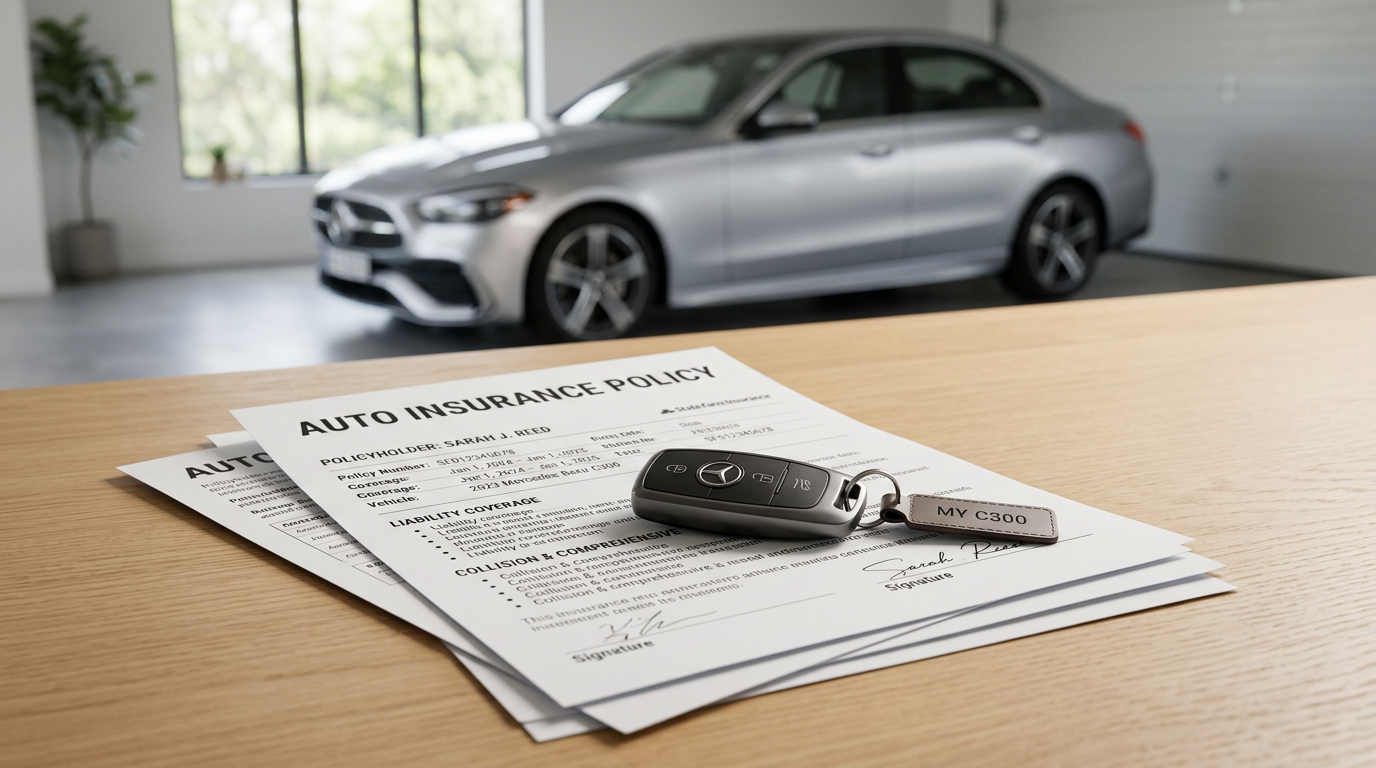
Shopping for auto insurance can feel simple at first: gather a few quotes, choose the cheapest one, and move on. But the lowest premium does not always mean the best value. The details behind each quote matter just as much as the price, especially if you want coverage that actually fits your driving habits, vehicle, and budget.
If you are comparing policies online or over the phone, the most useful approach is to line up the same coverage types, limits, and deductibles on every quote. That makes the numbers easier to compare and helps you spot where one insurer may be offering less protection, more restrictions, or a different approach to claims and discounts.
Start with the same coverage on every quote
Before you compare prices, make sure each insurer is quoting the same basic policy structure. A quote with lower limits or a higher deductible may look attractive, but it is not the same product as a more complete policy.
At minimum, check whether each quote includes the same:
- Liability coverage limits for bodily injury and property damage
- Collision coverage for damage to your vehicle from a crash
- Comprehensive coverage for non-collision losses such as theft, fire, or hail
- Uninsured and underinsured motorist coverage
- Medical payments or personal injury protection, if offered in your state
If one quote leaves out a coverage you need, or uses much lower limits, the price comparison may be misleading. In that case, ask the insurer to revise the quote so the policies are easier to compare.
Look closely at deductibles and out-of-pocket risk
Deductibles are one of the biggest reasons two similar policies can have very different premiums. A higher deductible usually lowers the price of collision and comprehensive coverage, but it also means more out-of-pocket cost if you file a claim.
Ask yourself what you could realistically afford to pay after an accident or damage event. A policy that seems cheaper now could be harder to use later if the deductible is more than you would want to pay at once.
When reviewing quotes, focus on what you would pay after a claim, not just the premium you pay each month.
It also helps to check whether the deductible applies separately to different types of claims. Some policies use one deductible for collision and another for comprehensive losses, while others may have special rules for glass repair or certain weather-related damage.
Check what is included, excluded, or limited
Auto insurance policies can differ in ways that are not obvious from a quote summary. A lower price may reflect narrower coverage, stricter conditions, or fewer add-ons.
Review the quote for these common differences:
- Rental reimbursement for temporary transportation while your car is being repaired
- Roadside assistance such as towing or jump-start help
- Gap coverage if you owe more on your car loan or lease than the car is worth
- OEM parts coverage, if available, for repairs using original equipment parts
- Usage restrictions tied to mileage, business use, or drivers in the household
It is also worth reading the exclusions. For example, a policy may not cover certain kinds of ride-sharing use, delivery work, or drivers not listed on the policy. If your situation is anything other than standard personal driving, confirm that the policy fits your actual use.
Compare more than price: company, service, and claims process
A good auto insurance policy should be affordable, but it should also be practical when you need help. The claims experience can matter as much as the premium, because that is the moment when coverage proves its value.
As you compare insurers, look for signs of how the company handles service:
- How easy it is to reach customer support
- Whether the insurer offers a mobile app or online claims tools
- How clear the policy documents are before you buy
- Whether local repair options or preferred shops are available
- How flexible the insurer is with billing and payment schedules
You do not need to choose a company based on marketing claims. Instead, pay attention to whether the quote process is transparent, whether the policy terms are easy to understand, and whether the company seems responsive when you ask questions.
Use discounts carefully, and verify the details
Discounts can help lower the cost of a policy, but they should not be the only reason you choose one insurer over another. Some discounts are straightforward, while others may depend on ongoing eligibility or specific enrollment steps.
Common discounts to ask about include:
- Multi-policy discounts for bundling home and auto insurance
- Safe driver discounts
- Good student discounts
- Low mileage discounts
- Safety feature discounts for certain vehicles
Be sure to ask whether a discount is automatic or requires action. For example, telematics or driving behavior programs may offer pricing that changes over time based on your driving patterns. If you are uncomfortable with that tradeoff, a slightly higher base premium with more predictable terms may be the better fit.
Build an apples-to-apples comparison before you decide
The easiest way to compare auto insurance quotes is to create a simple checklist and use it on every policy. That keeps you focused on the factors that actually affect protection and cost.
- Match coverage types and limits.
- Compare deductibles side by side.
- Check for exclusions, usage rules, and add-on coverage.
- Review discounts and whether you qualify for them long term.
- Look at the insurer’s service tools and claims experience.
- Confirm the total premium, payment schedule, and any fees.
If one quote is lower, ask why. Sometimes the answer is a useful tradeoff, such as a higher deductible. Other times it may mean the policy is less complete than it first appeared.
Choose the quote that fits your real needs
The best auto insurance choice is rarely the one with the lowest number on the screen. It is the one that balances price, coverage, and convenience in a way that makes sense for your driving situation.
Once you know the differences between quotes, it becomes much easier to decide which policy offers the right mix of protection and value. Compare your options carefully, read the details, and make sure the policy you pick is one you will be comfortable relying on if you ever need it.
Free Tools & Calculators
50 / 30 / 20 Budget Calculator
Split your take-home pay into needs, wants, and savings — the classic rule.
Estimates only, for general information — not financial or medical advice.
Auto Loan Calculator
Estimate the monthly payment and interest on a car loan.
Estimates only, for general information — not financial or medical advice.