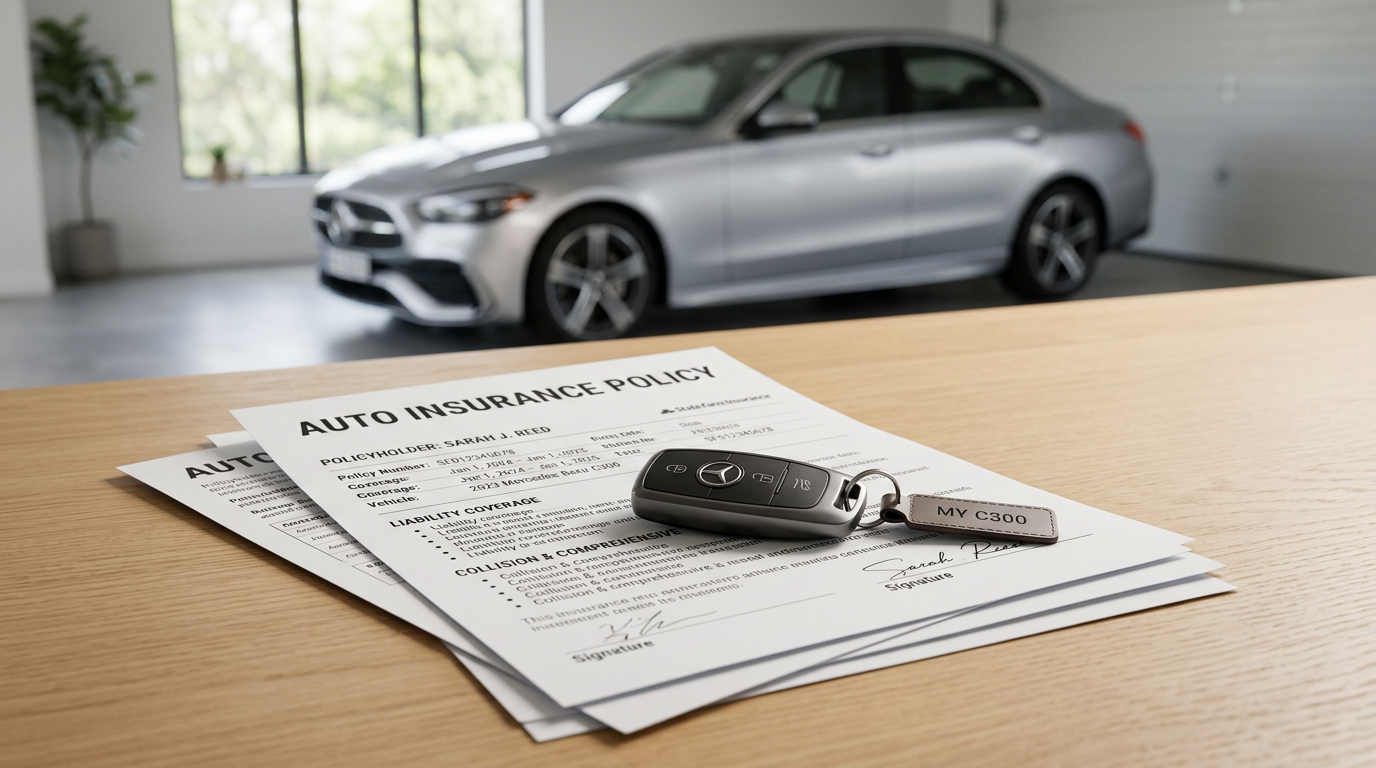
If you have a DWI on your record, shopping for auto insurance can feel more complicated than it did before. The good news is that there is still a market for drivers in this situation, and the best move is usually to compare options carefully rather than assume every insurer will treat you the same way.
A DWI can affect pricing, policy eligibility, and the documents an insurer may require. But different companies weigh driving history differently, which means one quote may look very different from another. If you know what to ask and what to review, you can save time and avoid surprises.
Why a DWI changes the way insurers price coverage
Auto insurers use your driving record to estimate risk. A DWI often signals a higher chance of future claims, so some carriers may raise your premium, limit the coverage they offer, or decline to write a policy at all. That does not mean every insurer responds the same way.
Some companies are more flexible with one serious violation than others. The exact effect may depend on factors such as:
- How recent the DWI is
- Whether there were other violations or accidents
- Your age and driving experience
- Your state’s insurance rules
- Whether you need special filing requirements, such as SR-22 or FR-44
It is also worth remembering that a DWI is only one part of an insurer’s decision. Your vehicle, annual mileage, coverage choices, and prior insurance history can all matter too.
What to ask before you request quotes
Before you start comparing prices, gather the details you are likely to need. A little preparation can make it easier to get quotes that are accurate and comparable.
Have your information ready
- Your driver’s license number and state of issue
- The date of the DWI and any related violations
- Vehicle identification numbers for the cars you want to insure
- Your current coverage limits, if you have an active policy
- Any required state forms or reinstatement documents
When you contact insurers or brokers, ask whether they write policies for drivers with a DWI and whether they handle required filings. If you are comparing companies, confirm that each quote includes the same coverage limits and deductibles so the numbers are actually comparable.
It can also help to ask whether the insurer offers discounts you may still qualify for, such as bundling policies, completing a defensive driving course, or using telematics if available. Not every discount will apply after a DWI, but some may still be on the table.

Understanding SR-22 and similar filing requirements
Depending on your state and circumstances, you may need an SR-22 or a similar form. Despite the name, this is not an insurance policy. It is a certificate that your insurer files with the state to show you carry at least the required liability coverage.
Some states use different forms or require similar proof after a serious driving offense. If your license was suspended or you need it reinstated, this filing may be part of the process. Ask your insurer or state motor vehicle agency what is required before you buy a policy, because missing the filing can lead to delays or additional penalties.
If you need an SR-22 or a comparable filing, make sure the insurer you choose can handle it directly. Not every company does, and switching later can create gaps in compliance.
How to compare policies without getting lost in the details
Price matters, but it should not be the only thing you compare. After a DWI, it is especially important to look at policy structure, because a low quote may come with less protection or stricter terms.
Focus on these points when reviewing each offer:
- Liability limits: Make sure bodily injury and property damage limits are enough for your situation and meet state requirements.
- Deductibles: Higher deductibles usually lower premiums, but they also raise your out-of-pocket cost after a claim.
- Coverage type: Decide whether you need only the required minimums or broader protection such as comprehensive and collision.
- Policy fees: Check for installment fees, filing fees, or other charges that can change the total cost.
- Cancellation rules: Understand what happens if you miss a payment or switch policies.
It is also smart to read the fine print for exclusions or restrictions. A policy that looks affordable at first glance may not be a good fit if it does not support your reinstatement needs or leaves you underinsured.
Ways to shop smarter after a DWI
A DWI does not mean you have to accept the first quote you get. In many cases, the best approach is to shop across several types of insurers, including standard carriers, nonstandard insurers, and independent agents who can compare multiple companies for you.
Here are a few practical steps that can make the process easier:
- Compare at least three quotes using the same coverage limits and deductibles.
- Ask each insurer whether your DWI is likely to remain on the policy rating for the same length of time.
- Check whether you need proof of insurance before license reinstatement or vehicle registration renewal.
- Keep your policy active once you buy it, since a lapse can make future shopping more difficult.
- Review your record over time, because pricing may improve as the violation becomes older and your record stays clean.
If you already have an insurer, it may still be worth asking whether they can re-rate your policy under updated circumstances, especially if your situation has changed since the violation.
When to get extra help
Some drivers can handle the comparison process on their own, but there are situations where extra help is useful. An independent insurance agent, your state’s DMV resources, or an insurer’s customer service team can help clarify filing rules, coverage minimums, and eligibility questions.
Get more help if:
- Your license is suspended or needs reinstatement
- You are unsure whether you need an SR-22 or similar filing
- You have multiple violations or prior lapses in coverage
- You are shopping for a family policy and want to understand how one driver’s record affects everyone else
The goal is not just to find any policy, but to find one that keeps you covered and compliant without paying for features you do not need.
Compare carefully and revisit your options later
Shopping for auto insurance after a DWI may take more time, but careful comparison can help you avoid guesswork. Focus on eligibility, required filings, coverage details, and the full cost of the policy—not just the first premium you see.
As your driving record ages and your situation changes, it can make sense to compare options again. Insurers do not all weigh risk the same way, so a future quote may look different from today’s. Taking the time to compare now can put you in a better position to choose a policy that works for your budget and your driving needs.

Free Tools & Calculators
50 / 30 / 20 Budget Calculator
Split your take-home pay into needs, wants, and savings — the classic rule.
Estimates only, for general information — not financial or medical advice.
Auto Loan Calculator
Estimate the monthly payment and interest on a car loan.
Estimates only, for general information — not financial or medical advice.