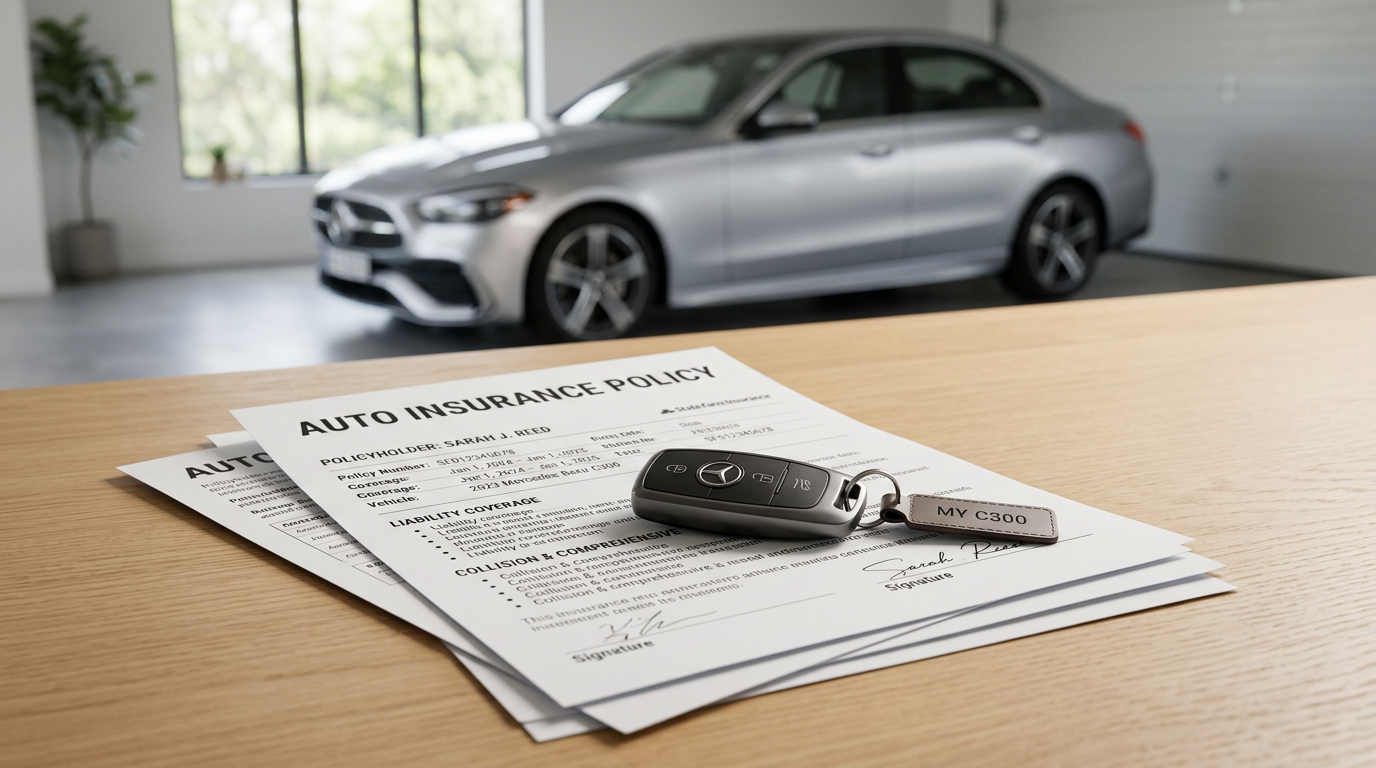
If your auto insurance premium went up and you did not expect it, you are not alone. Rate changes happen for many reasons, and the most useful response is not just to shop for the lowest price — it is to compare what you are actually buying. A cheaper policy can be a better fit, but only if the coverage, deductible, and company service still make sense for your situation.
This guide walks through a practical way to compare auto insurance after a premium increase, so you can decide whether to stay, switch, or adjust your coverage.
First, figure out why the price changed
Before comparing quotes, try to identify the reason for the increase. Some changes come from your driving record or policy details. Others may reflect broader pricing changes in your state or ZIP code. Your insurer may not always give a simple answer, but the declarations page, renewal notice, or customer service team can often point you in the right direction.
Common reasons a premium may rise
- You had a ticket, accident, or claim on your record.
- You added a driver or vehicle to the policy.
- Your commute, mileage, or garaging address changed.
- You lost a discount, such as a safe-driver or multi-policy discount.
- The insurer adjusted its rates in your area.
- Your car became more expensive to repair or insure.
Knowing the reason helps you compare options more intelligently. If the increase is tied to a new driver, for example, a low quote from another company may depend on very different underwriting rules. If the change is mostly rate-related, a comparison shop may be especially worthwhile.
Compare coverage, not just the monthly bill
When people shop auto insurance, the premium is easy to see and the coverage is easy to overlook. That can lead to apples-to-oranges comparisons. Two policies with similar prices may protect you very differently after a crash or weather-related loss.
To compare policies fairly, look at the same pieces on each quote:
- Liability limits: how much the policy may pay for injuries or property damage you cause.
- Collision coverage: repair or replacement after a crash with another vehicle or object.
- Comprehensive coverage: non-crash losses such as theft, vandalism, fire, or weather damage.
- Deductibles: what you pay before collision or comprehensive coverage applies.
- Medical payments or personal injury protection: medical-related coverage requirements vary by state.
- Uninsured/underinsured motorist coverage: protection if the other driver has little or no insurance.
Tip: If one quote is much lower, check whether it uses lower liability limits or a much higher deductible. Those differences can change how the policy performs when you need it most.
Use the quote process to test your assumptions
Many drivers only ask one or two insurers for a quote, then assume the results are representative. In reality, companies weigh risk differently. One insurer may be more competitive for drivers with a clean record, while another may be more favorable after a minor claim or for a specific vehicle type.
A practical approach is to gather several quotes using the same information and review them side by side. Be consistent about:
- your current address and garaging location
- the exact vehicle year, make, model, and trim
- how many miles you drive
- who is listed on the policy
- your chosen coverage limits and deductibles
If you are unsure which limits to choose, start by matching your current coverage, then consider whether your situation has changed. For example, if you recently paid off your car, you might evaluate whether collision and comprehensive still make sense. If your car is newer or financed, dropping those coverages may not be an option.
Look beyond price when comparing companies
The cheapest policy is not always the best value. Auto insurance is a promise to help after a loss, so the company’s service and claims handling matter too. A policy that saves you a little up front but causes frustration later may not be the best long-term choice.
When comparing insurers, consider these factors:
- Claims process: Is it easy to file and track a claim?
- Customer service: Are help options available when you need them?
- Billing and payment flexibility: Can you choose a schedule that fits your budget?
- Discount structure: Are discounts available that match your situation?
- Coverage options: Does the company offer the endorsements or limits you want?
You may also want to check whether a company offers features such as accident forgiveness, roadside assistance, rental reimbursement, or new-car replacement. These add-ons can be valuable, but only if you would actually use them. It is usually better to pay for coverage you understand than for extras that sound appealing but do not fit your needs.
Decide whether to stay, switch, or adjust your policy
After you compare a few options, you have three basic paths: keep your current policy, switch to another insurer, or make changes to your existing coverage. The right choice depends on your budget, your risk tolerance, and how much your circumstances have changed.
Staying may make sense if your current insurer still offers solid coverage, the increase is tied to a temporary factor, or you have benefits that are hard to replace. You can also ask whether you qualify for any missed discounts.
Switching may make sense if another insurer offers similar coverage for a better fit, clearer service, or more useful policy features. Just make sure the new policy is active before you cancel the old one.
Adjusting the policy may make sense if your coverage no longer matches your car, budget, or driving habits. Raising a deductible can lower the premium, but only do this if you can comfortably cover that amount in an emergency.
Before changing anything, compare the full policy, not just the price tag. The goal is to find coverage that fits your needs at a cost you can live with.
A simple way to compare your options
If your premium jumped, take a few minutes to create a basic comparison sheet. List each insurer, the liability limits, deductibles, key coverages, total premium, and any discounts or extras included. That makes it easier to see whether a lower quote is truly a better deal.
Auto insurance shopping does not have to be overwhelming. By checking why your rate changed, matching coverage levels carefully, and looking at service as well as price, you can make a more informed decision. If your renewal surprised you, compare a few options before you renew or switch — the best policy is often the one that balances cost, coverage, and peace of mind.
Free Tools & Calculators
50 / 30 / 20 Budget Calculator
Split your take-home pay into needs, wants, and savings — the classic rule.
Estimates only, for general information — not financial or medical advice.
Auto Loan Calculator
Estimate the monthly payment and interest on a car loan.
Estimates only, for general information — not financial or medical advice.