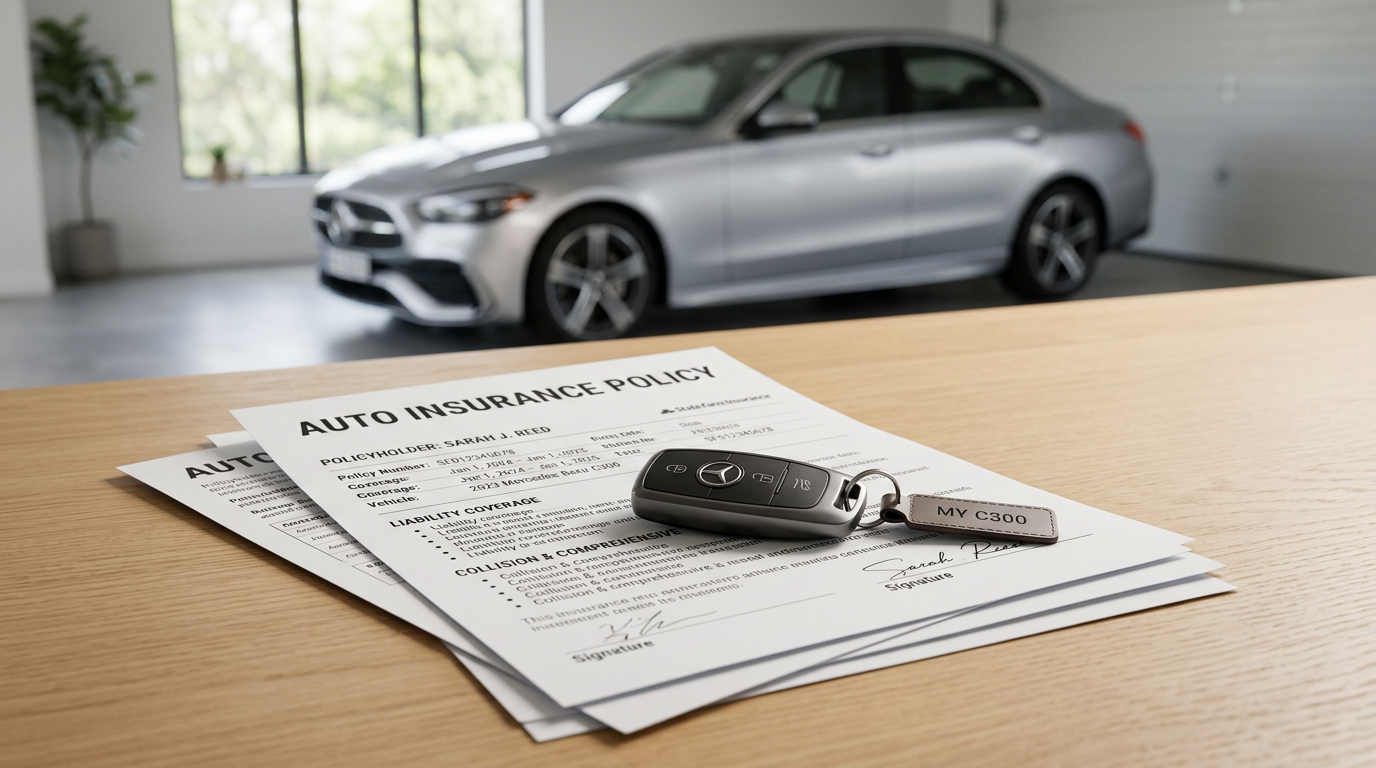
A car accident can leave you shaken, even if it seems minor. Before you think about repairs or paperwork, the most useful thing you can do is focus on safety, documentation, and getting the facts straight. Those first steps can make the insurance process smoother later, whether you plan to file a claim right away or wait until you know the full extent of the damage.
This guide walks through what to do after a crash before you contact your insurer, plus a few situations where calling sooner is the better move.
Start with safety and check for injuries
Before anything else, make sure everyone is safe. If the vehicles are drivable and no one appears seriously hurt, move out of traffic if you can do so safely. Turn on hazard lights and set up warning devices if you have them.
If anyone may be injured, call 911. Even a seemingly minor collision can cause pain or symptoms that show up later. Don’t argue about fault at the scene; keep the focus on safety and emergency help.
- Check yourself and passengers for pain, bleeding, dizziness, or confusion.
- If it is safe, move vehicles out of traffic.
- Call 911 for injuries, blocked lanes, or significant damage.
- Stay calm and avoid admitting blame or guessing about what happened.
Gather the facts while the scene is still fresh
Insurance companies rely on details, and memories fade quickly after a stressful event. Use your phone to document the scene from multiple angles. Take wide shots that show where the cars ended up, and close-up photos of damage, skid marks, traffic signs, license plates, and road conditions.
You should also collect basic information from the other driver. If there are witnesses, ask for their names and contact information. If police respond, request the report number and the officer’s name or badge number.
What to record
- Date, time, and exact location
- Weather and road conditions
- Names, phone numbers, and insurance details for other drivers
- Vehicle make, model, color, and license plate numbers
- Photos of damage to all vehicles and the surrounding area
- Witness names and contact information
If you have a dash cam, save the footage right away. Also make a quick note of anything unusual, such as a broken traffic light, construction zone, or debris in the road. Those details may matter later.

Know what to say at the scene
After an accident, people often feel pressure to explain, apologize, or settle things informally. It is usually better to keep your conversation brief and factual. Share the information that is needed, but avoid speculating about speed, fault, or whether you are “fine” if you’re not sure yet.
A simple rule: exchange facts, not interpretations. The fewer assumptions you make at the scene, the easier it is to keep your report accurate later.
You can say things like, “Here is my insurance information,” or “I’m going to take photos and call my insurer.” You do not need to debate the cause of the crash on the roadside.
Decide when to contact your insurer
Most drivers should notify their insurer as soon as practical after an accident, even if they are still deciding whether to file a formal claim. Some policies require prompt reporting, and waiting too long can complicate coverage questions.
That said, a notification is not always the same as filing a claim. In some cases, you can call your insurer to report the incident, ask about coverage, and then decide whether to move forward with a claim after you understand the damage and possible repair costs.
Contact your insurer sooner if:
- Anyone was injured
- Another driver may file a claim against you
- You suspect the other driver is uninsured or underinsured
- The accident involved a leased or financed vehicle
- There is major vehicle damage or a total loss may be possible
- Police were involved and a report was filed
If you are unsure whether to call your insurer, review your policy or ask a representative how incident reporting works. Prompt, accurate reporting is usually better than trying to handle everything alone and discovering a missed deadline later.
Before you file, review your coverage and repair options
Once the immediate situation is under control, take a close look at your policy. The accident may involve several coverages, including liability, collision, medical payments or personal injury protection, uninsured motorist coverage, and rental reimbursement. Which ones apply depends on how the accident happened and where you live.
If your car is still drivable, consider getting an estimate from a repair shop you trust. In some situations, a quick repair quote can help you decide whether to file a claim. But remember that cosmetic damage may not be the full story. Modern vehicles can hide expensive sensor or structural damage that is not obvious at first glance.
It is also smart to ask about deductibles, claims handling, and any repair-shop requirements. If the other driver was at fault, your insurer may still help you understand the process even if another company may ultimately pay.
Keep your records organized after the crash
After the scene clears, save everything in one place: photos, notes, the police report number, tow or repair receipts, medical paperwork, and any emails or texts from the other driver or insurance companies. If your symptoms change or you discover new damage days later, update your notes right away.
Good records can help if there are questions about timing, damage, or medical treatment. They also make it easier to compare repair estimates and understand whether an insurer’s offer matches the evidence you gathered.
Final thoughts
What you do after a car accident can shape the rest of the claims process. Stay focused on safety, collect clear documentation, and contact your insurer promptly if the situation calls for it. Then take time to review your coverage, repair options, and any next steps before making a final decision.
If you are comparing policies, look beyond the premium and pay attention to claims support, deductible choices, and coverage features that matter after a crash. A little comparison now can make a stressful situation easier later.
Free Tools & Calculators
50 / 30 / 20 Budget Calculator
Split your take-home pay into needs, wants, and savings — the classic rule.
Estimates only, for general information — not financial or medical advice.
Auto Loan Calculator
Estimate the monthly payment and interest on a car loan.
Estimates only, for general information — not financial or medical advice.