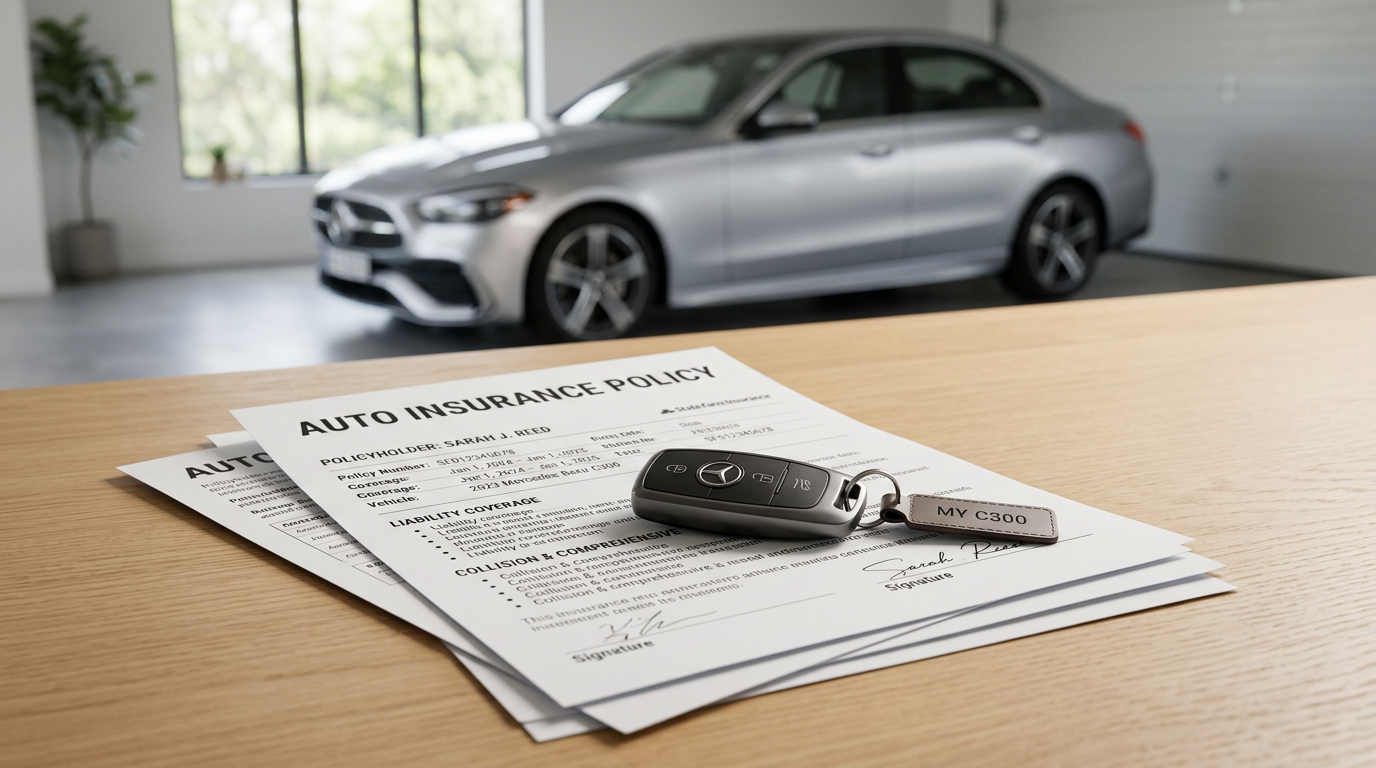
A minor car accident can still leave you unsure what to do next. Even if the damage looks small, the choices you make in the first few minutes can affect your safety, your claim, and how smoothly the process goes with the other driver and your insurer.
This guide walks through the practical steps to take after a fender bender in the U.S., with a focus on what matters most when the accident seems minor but still needs to be handled carefully.
1. Check for injuries and move to a safe location
Your first priority is safety. Before worrying about paperwork or photos, check yourself and any passengers for injuries. If anyone is hurt, call 911 right away. Even in a low-speed collision, symptoms can appear later, so don’t dismiss pain just because the vehicles are drivable.
If the cars are creating a hazard and can be moved safely, pull them to the shoulder or another secure spot nearby. Turn on your hazard lights. If you cannot move the vehicles, stay clear of traffic and wait for help if needed.
Quick safety checklist
- Check everyone in both vehicles for injury.
- Call 911 if there is any injury, smoke, or danger in traffic.
- Move cars out of traffic if it is safe to do so.
- Use hazard lights and stay calm at the scene.
2. Exchange information and document the scene
Once everyone is safe, exchange information with the other driver. Keep the conversation factual and brief. Avoid arguing about fault at the scene, even if the accident seems obvious to you.
Collect the basics you may need later for a claim:
- Driver’s name and contact information
- Insurance company and policy number
- Driver’s license number, if available
- License plate number and vehicle make/model
- Names and contact information for any witnesses
Use your phone to take photos of the vehicles, visible damage, skid marks, road signs, traffic signals, and the surrounding area. If weather, lighting, or road conditions may have contributed, document those too. A simple voice memo can also help you remember details while they are fresh.
Tip: Take more photos than you think you need. Close-up shots show damage, but wider images can help show where and how the crash happened.

3. Decide whether police or a report is needed
Not every minor accident requires an officer at the scene, but local rules vary. In some states, you must file a police report for crashes involving injury, certain damage thresholds, or specific circumstances. Your insurer may also ask for a report, especially if the other driver disputes what happened.
If police respond, ask how to get a copy of the report or the report number. If officers do not come to the scene, you may still need to file a state accident report yourself, depending on where the crash occurred.
When in doubt, err on the side of documentation. A report can help support your version of events later if the claim is questioned.
4. Tell your insurer, but do not rush the claim
Most auto policies expect you to notify the insurer promptly after an accident, even a small one. Reporting the incident does not always mean you must open a claim right away. You can often start with a notice of loss and then decide how to proceed after you understand the damage.
This is especially important if the repair cost may be close to your deductible. A claim is not always the best move for a scratch or dent if you can handle repairs another way. On the other hand, hidden damage can show up later, so an estimate matters.
When you speak with your insurer, be honest and consistent. Share only what you know for sure. If you are unsure about fault, say so rather than guessing.
What to ask your insurer
- Whether you should file a claim or just report the accident
- How your deductible applies
- Whether the other driver’s insurer may handle the repairs
- What documents or photos they want from you
- Whether you need an inspection or repair estimate
5. Know when to involve your own coverage or the other driver’s insurer
Which insurer pays can depend on fault, your coverage, and your state’s rules. If the other driver caused the accident, you may file a third-party claim with their insurer. If fault is unclear or the other driver is uninsured, you may need to use your own policy, such as collision coverage, medical payments coverage, or uninsured motorist coverage if you carry it.
It can take time to sort out responsibility, so do not delay repairs if your insurer wants to inspect the vehicle first. Ask how they want the damage reviewed before you authorize work at a shop.
If your car is safe to drive but needs body work, get one or more estimates from reputable repair shops. Keep records of the estimate, photos, and any communication with adjusters.
6. Watch for issues that show up later
Some problems do not appear right away after a low-speed crash. A car may seem fine at the scene and later develop alignment problems, warning lights, leaking fluids, or unusual sounds. If you notice new symptoms, document them and notify your insurer or mechanic promptly.
Also pay attention to your own health. Headaches, neck pain, dizziness, or stiffness can start hours or days later. If you develop symptoms, seek medical care and keep records in case you need them for a claim.
It is also wise to save all accident-related paperwork in one place, including:
- Photos and videos from the scene
- Police report number or copy
- Claim number and adjuster contact information
- Repair estimates and receipts
- Notes about conversations, dates, and next steps
Conclusion: compare coverage before the next accident
A minor accident is a good reminder that the details of your auto policy matter. Coverage choices, deductibles, and claims handling can shape how stressful the process feels after a crash. If you are not sure whether your current policy fits your needs, compare options and review how different insurers handle claims, repairs, and customer support before you need them.
Free Tools & Calculators
50 / 30 / 20 Budget Calculator
Split your take-home pay into needs, wants, and savings — the classic rule.
Estimates only, for general information — not financial or medical advice.
Auto Loan Calculator
Estimate the monthly payment and interest on a car loan.
Estimates only, for general information — not financial or medical advice.